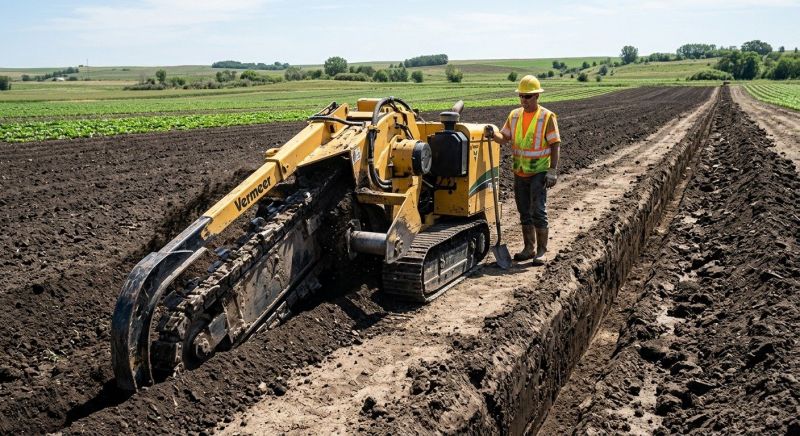
Irrigation Trenching in Salt Lake City, UT
Irrigation trenching services involve digging narrow, precise trenches to install or repair underground irrigation systems, such as sprinkler lines and pipes. This service is commonly used for projects like establishing new lawn watering systems, replacing aging pipes, or expanding irrigation coverage across residential properties. Property owners often want to understand the scope of trenching work, including how deep and wide the trenches will be, to ensure the installation is effective and minimally disruptive to their landscape.
Before requesting irrigation trenching, homeowners should consider the layout of their property, including existing underground utilities or obstacles that might affect the trenching process. It’s also helpful to clarify the desired irrigation zones and coverage areas to ensure the system functions efficiently. Proper planning can help achieve a reliable watering system that supports healthy landscaping while avoiding potential damage to underground infrastructure.
Many property owners in Salt Lake City, UT look into Irrigation Trenching for repairs, replacements, upgrades, and appearance-related improvements.
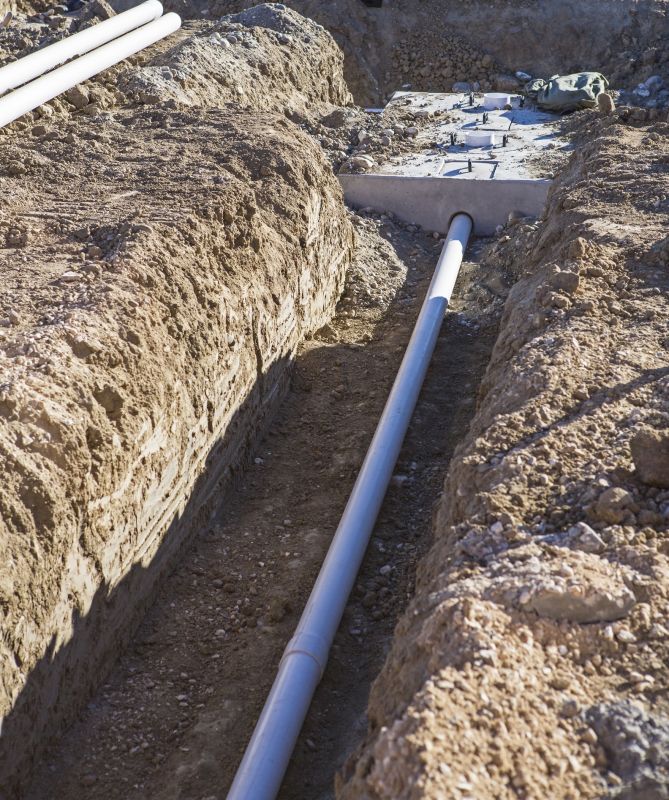
Efficient Water Distribution
Proper trenching ensures even and reliable irrigation coverage across your property.
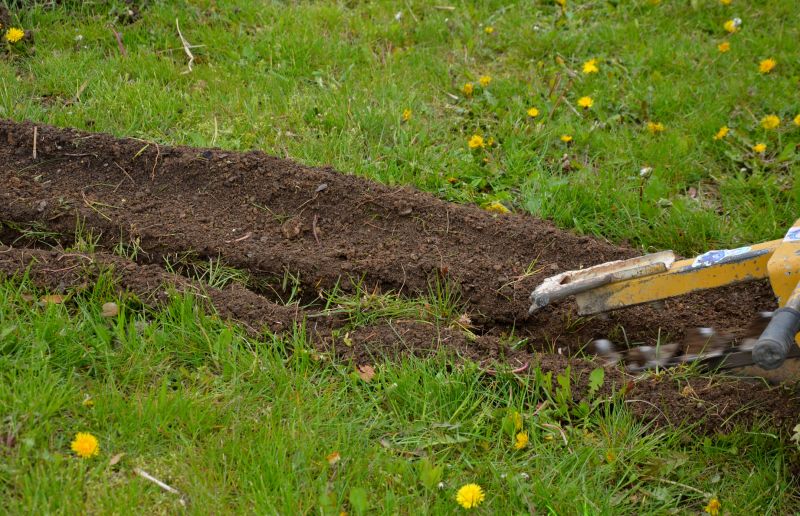
Customized Irrigation Layouts
Trenching allows for tailored systems that meet the specific needs of salt lake city gardens and lawns.
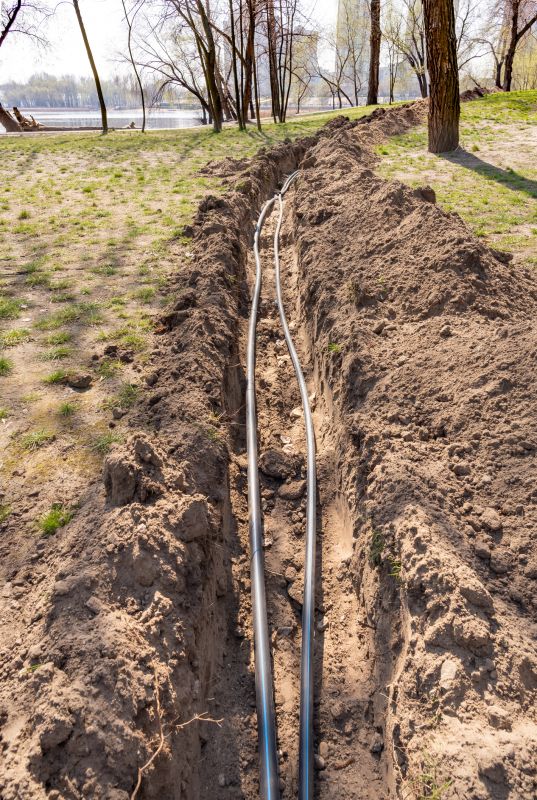
Long-Lasting Infrastructure
Installing durable trenches helps protect underground pipes and extend the lifespan of your irrigation system.
Irrigation Trenching in Salt Lake City, UT

Irrigation trenching services involve digging narrow, precise trenches to install or repair underground irrigation systems, such as sprinkler lines and pipes. This service is commonly used for projects like establishing new lawn watering systems, replacing aging pipes, or expanding irrigation coverage across residential properties. Property owners often want to understand the scope of trenching work, including how deep and wide the trenches will be, to ensure the installation is effective and minimally disruptive to their landscape.
Before requesting irrigation trenching, homeowners should consider the layout of their property, including existing underground utilities or obstacles that might affect the trenching process. It’s also helpful to clarify the desired irrigation zones and coverage areas to ensure the system functions efficiently. Proper planning can help achieve a reliable watering system that supports healthy landscaping while avoiding potential damage to underground infrastructure.
Many property owners in Salt Lake City, UT look into Irrigation Trenching for repairs, replacements, upgrades, and appearance-related improvements.
Common Irrigation Trenching Jobs
Irrigation trenching involves digging channels to install or repair underground sprinkler systems.
Landscape irrigation projects often require trenching to lay pipes and hoses efficiently.
Drainage improvements may involve trenching to redirect excess water away from foundations.
Water line installation projects include trenching to connect new or existing water supplies.
Garden and lawn upgrades benefit from trenching to install new irrigation lines for even watering.
Property irrigation maintenance sometimes requires trenching to access and replace aging pipes.
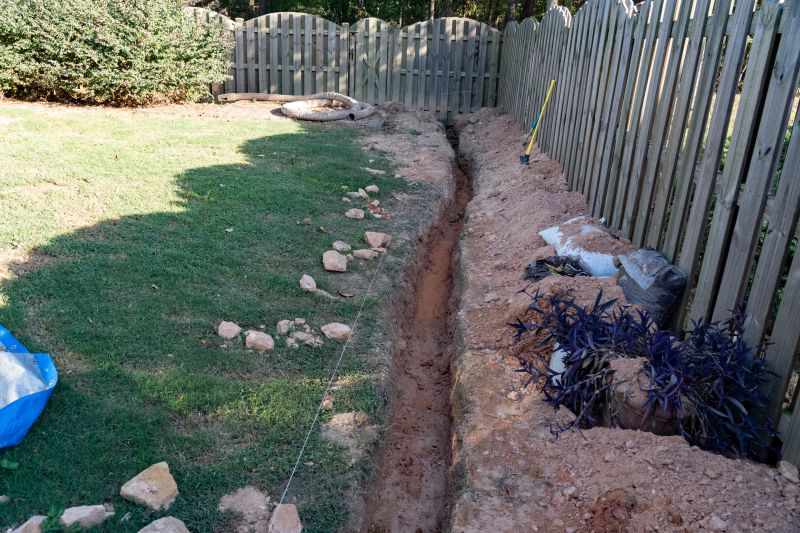
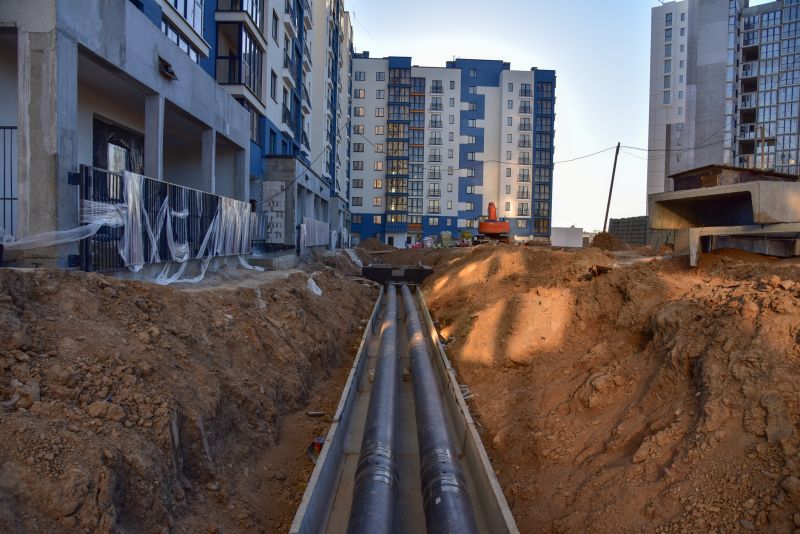
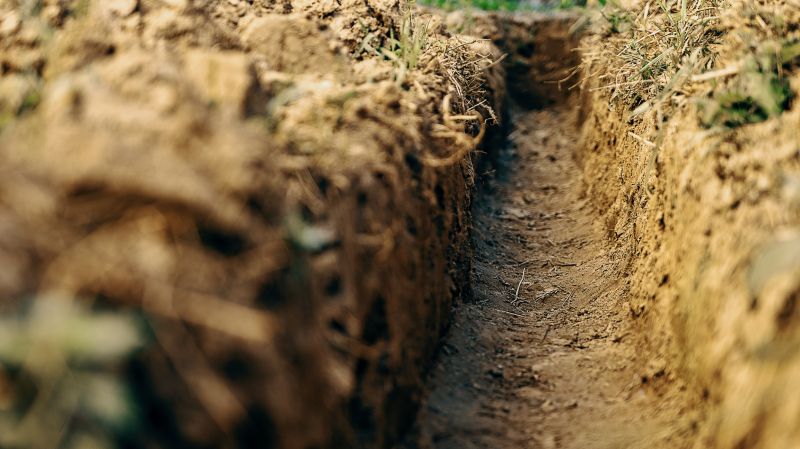
Irrigation Trenching Questions
What is irrigation trenching used for? It is used to install or repair underground irrigation lines for efficient watering systems.
What types of projects require trenching services? Projects like installing new sprinkler systems or replacing old pipes often need trenching.
How deep are irrigation trenches typically dug? Trenches are usually dug deep enough to securely lay pipes below ground level, often around 6 to 12 inches.
What should property owners consider before trenching? It's important to identify existing underground utilities and plan for proper drainage to avoid issues.
Request Irrigation Trenching in Salt Lake City, UT
Use the quote form on this page to share the basics of your project and request more information for the type of work you need.