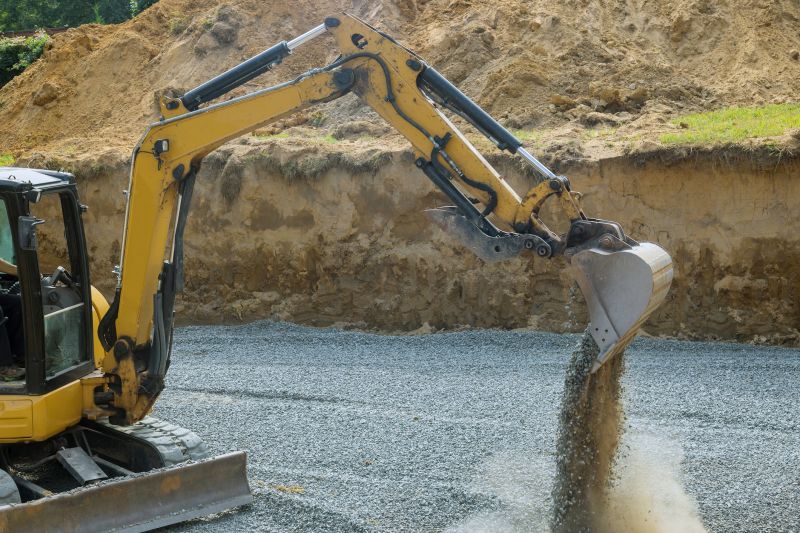
Backfilling Service in Salt Lake City, UT
Backfilling services involve filling in excavated areas around foundations, trenches, or other structures to restore stability and prevent issues such as settling or erosion. This process is commonly requested for projects like basement or foundation repairs, utility line installations, drainage improvements, or landscaping modifications. Property owners typically seek backfilling to ensure the integrity of their structures, improve drainage, or prepare a site for further construction or landscaping work.
Before requesting backfilling services, it’s important for homeowners to understand the type of fill material used, as different projects may require specific soil or aggregate types to ensure proper compaction and stability. Additionally, considerations such as proper grading, drainage, and surrounding landscape impact the success of the backfilling process. Clarifying these aspects helps ensure the project meets safety standards and long-term performance expectations.
Many property owners in Salt Lake City, UT look into Backfilling Service for repairs, replacements, upgrades, and appearance-related improvements.
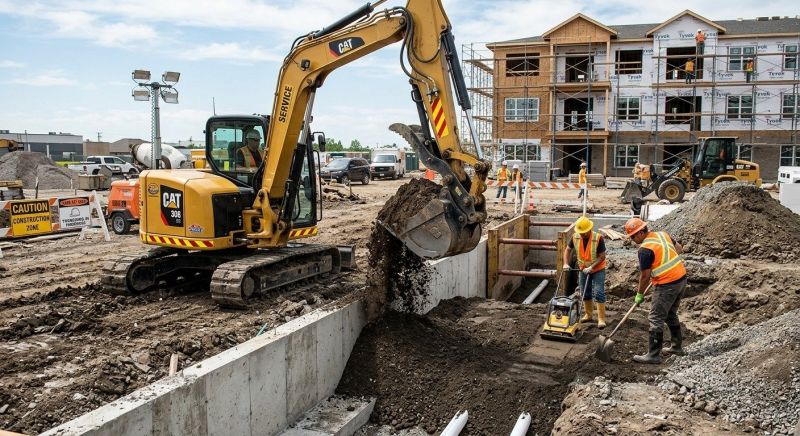
Foundation And Structural Backfilling
Backfilling helps restore soil support around foundations after excavation or repairs.
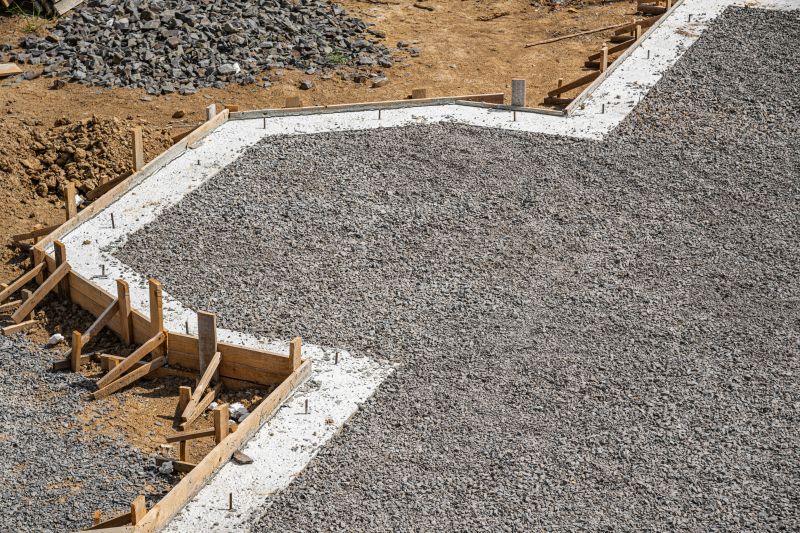
Landscaping And Grading Support
Proper backfilling ensures stability and proper drainage for landscaping projects.
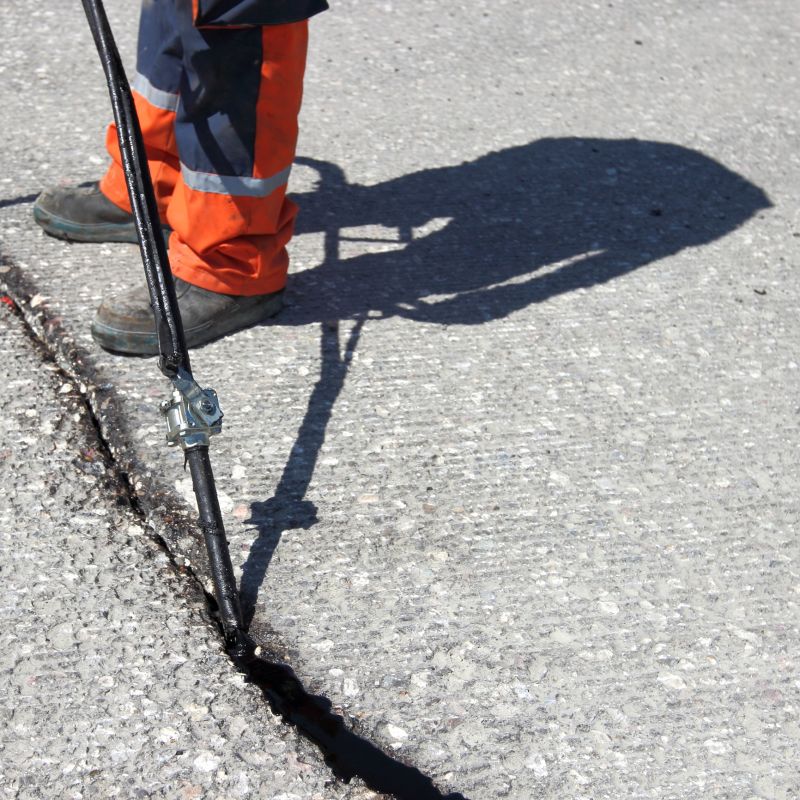
Utility And Drainage Backfilling
Backfilling around utility lines and drainage systems maintains safety and functionality.
Backfilling Service in Salt Lake City, UT

Backfilling services involve filling in excavated areas around foundations, trenches, or other structures to restore stability and prevent issues such as settling or erosion. This process is commonly requested for projects like basement or foundation repairs, utility line installations, drainage improvements, or landscaping modifications. Property owners typically seek backfilling to ensure the integrity of their structures, improve drainage, or prepare a site for further construction or landscaping work.
Before requesting backfilling services, it’s important for homeowners to understand the type of fill material used, as different projects may require specific soil or aggregate types to ensure proper compaction and stability. Additionally, considerations such as proper grading, drainage, and surrounding landscape impact the success of the backfilling process. Clarifying these aspects helps ensure the project meets safety standards and long-term performance expectations.
Many property owners in Salt Lake City, UT look into Backfilling Service for repairs, replacements, upgrades, and appearance-related improvements.
Common Backfilling Service Jobs
Foundation Backfilling - restores soil around a new or repaired foundation to ensure stability.
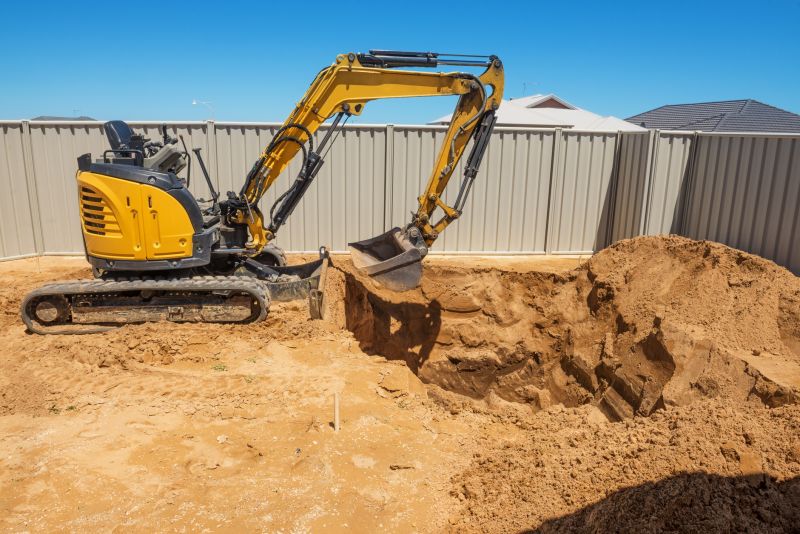
Excavation Backfilling - fills in trenches or excavated areas for landscaping or utility work.
Drainage Backfilling - layers soil to improve water flow and prevent pooling around structures.
Basement Wall Backfilling - supports basement walls after waterproofing or repairs are completed.
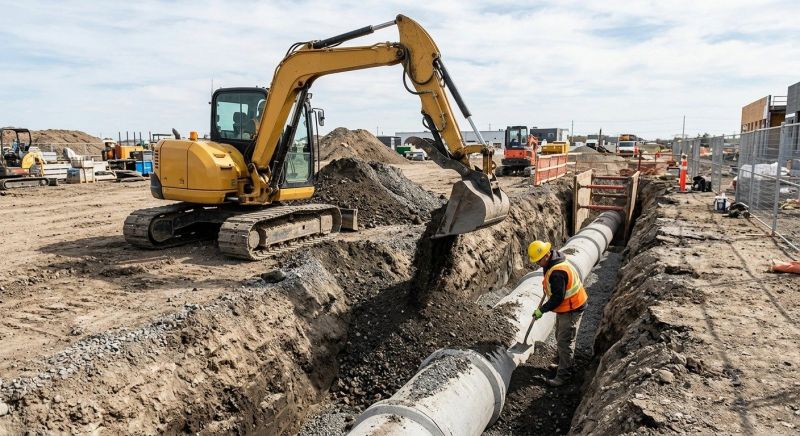
Utility Trench Backfilling - refills trenches after installing pipes, cables, or other underground utilities.
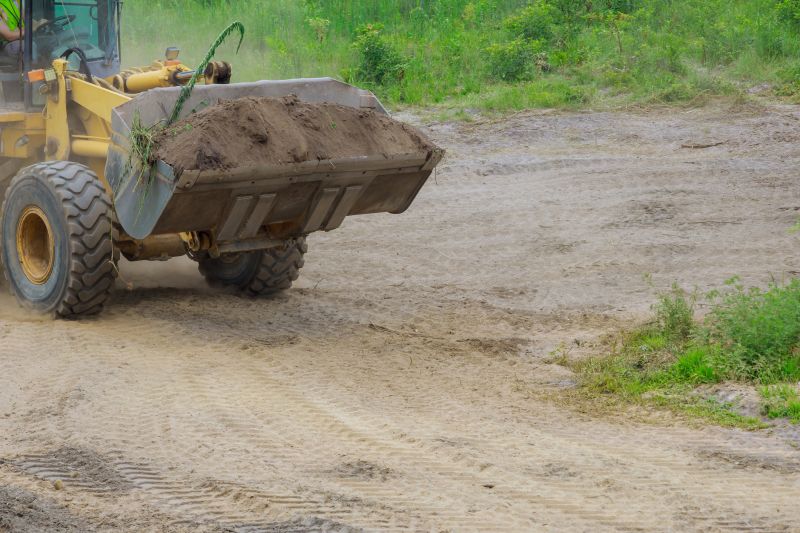
Landscape Backfilling - fills low spots or prepares soil for planting and lawn installation.
Backfilling Service Questions
What is backfilling service? Backfilling involves filling in excavated areas around foundations, trenches, or other structures to restore stability and support.
When is backfilling needed? It is typically required after excavation work, foundation repairs, or utility installations to ensure proper ground support.
What materials are used for backfilling? Common backfill materials include soil, gravel, or other approved granular materials depending on the project requirements.
Why is proper backfilling important? Proper backfilling helps prevent settling, maintains structural integrity, and protects underground utilities from damage.
Request Backfilling Service in Salt Lake City, UT
Use the quote form on this page to share the basics of your project and request more information for the type of work you need.